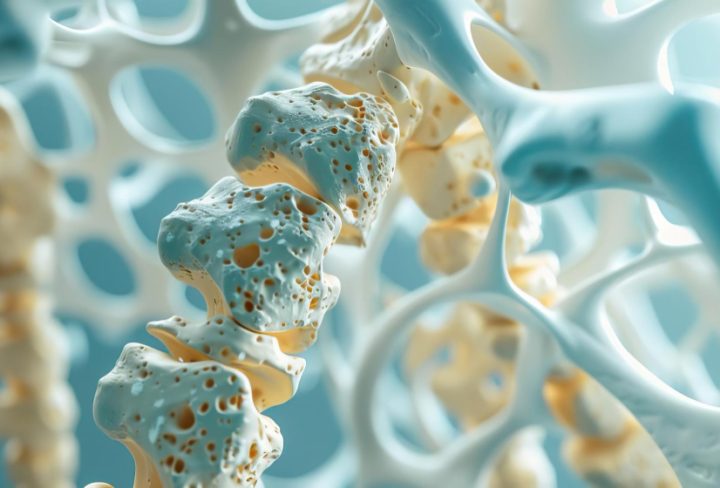
What is Osteoporosis?
Osteoporosis is a common bone disease. It makes your bones weak and more likely to break. As people age, their bones can lose strength. Because of this, osteoporosis is often called the “silent disease.” Many people do not know they have it until a bone breaks. According to the World Health Organization (WHO), osteoporosis affects millions worldwide. For this reason, learning about osteoporosis is important for everyone.
Common Symptoms of Osteoporosis
Often, osteoporosis does not cause pain or symptoms at first. However, as the disease gets worse, you may notice signs. Early detection is key. Look for these common osteoporosis symptoms:
Sometimes, people only find out they have osteoporosis after a fracture. Therefore, knowing the symptoms can help you act early.
Causes and Risk Factors
Osteoporosis happens when your body loses too much bone or makes too little. As a result, bones become thin and fragile. Several factors can increase your risk:
Because these risk factors add up, it is wise to review your lifestyle and family history.
How Osteoporosis is Diagnosed
Doctors use several ways to check for osteoporosis. Early diagnosis helps prevent broken bones. Usually, a bone density test is the main tool. This test, called a DEXA scan, measures how strong your bones are. In addition, your doctor may ask about your medical history and do a physical exam. Blood tests can also help rule out other causes of bone loss. If you are over 65 or have risk factors, ask your doctor about screening. Early testing can make a big difference.
Treatment Options for Osteoporosis
There are many ways to treat osteoporosis. Your doctor will choose the best plan for you. Treatment may include:
Because each person is different, your treatment may vary. Always follow your doctor’s advice for the best results.
Lifestyle Tips and Prevention Strategies
Good habits can help prevent osteoporosis or slow its progress. Here are some bone health tips:
For adults, osteoporosis prevention is possible with these simple steps. Even small changes can protect your bones over time.
When to See a Doctor
If you notice any symptoms of osteoporosis, see a healthcare specialist. For example, if you break a bone easily or lose height, get checked. Also, if you have risk factors, ask about bone density testing. Early action can help you avoid serious problems. Remember, your doctor can give you advice tailored to your needs.
In summary, osteoporosis is a serious but manageable condition. With the right steps, you can protect your bones and stay healthy. Consult a healthcare specialist for personalized advice on osteoporosis prevention and treatment.