What Are Plantar Warts?
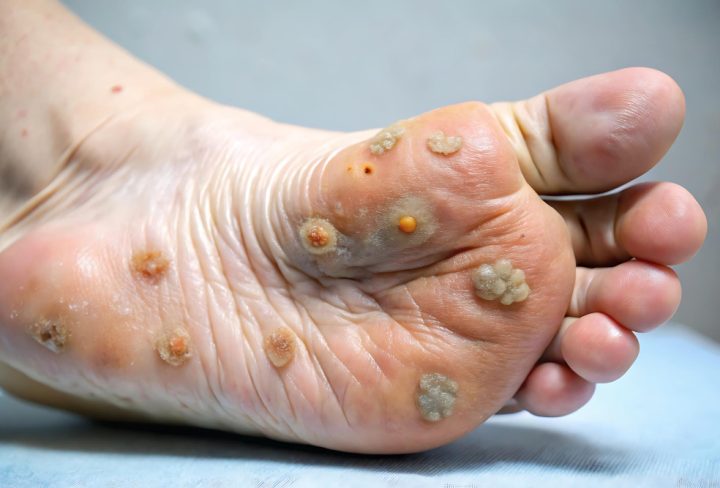
Plantar warts are small growths that appear on the soles of your feet. They are caused by a virus called human papillomavirus (HPV). Because they grow on weight-bearing areas, they can feel painful. Often, plantar warts have a rough, grainy surface. Sometimes, you may see tiny black dots in the center. These are small blood vessels. Although plantar warts are not dangerous, they can be bothersome. Many people look for plantar wart removal options to ease discomfort.
Common Symptoms of Plantar Warts
Plantar warts can look and feel different for each person. However, there are some common signs to watch for. For example, you may notice:
Sometimes, plantar warts grow in clusters. These are called mosaic warts. If you see any of these symptoms, you may want to learn how to treat plantar warts at home or seek medical care.
Causes and Risk Factors
Plantar warts are caused by certain types of HPV. The virus enters your skin through tiny cuts or breaks. Not everyone who comes in contact with HPV will get warts. However, some factors can raise your risk. For instance, you are more likely to get plantar warts if you:
Because the virus thrives in warm, moist places, it spreads easily in shared spaces. Therefore, it is important to protect your feet in these areas.
Diagnosis Methods
Doctors can usually diagnose plantar warts by looking at your foot. Sometimes, they may scrape off the top layer to check for black dots. In rare cases, a small sample may be sent to a lab. This helps rule out other skin problems. If you are unsure about a spot on your foot, it is best to see a healthcare provider. Early diagnosis can help you find the right plantar wart treatment.
Treatment Options for Plantar Warts
Many plantar warts go away on their own, but this can take months or even years. If warts are painful or spreading, you may want to try treatment. There are both medical and home care options.
Medical Treatments
Home Care Tips
Although home care can help, it is important to follow instructions. If you have diabetes or poor circulation, always check with your doctor before trying home treatments.
Prevention Tips
While it is not always possible to avoid plantar warts, you can lower your risk. For example:
Because HPV spreads easily, these simple steps can help protect you and others.
When to See a Doctor
Most plantar warts are harmless. However, you should see a doctor if:
Early care can prevent problems and help you find the best plantar wart removal method.
Conclusion
Plantar warts are common and often go away on their own. However, they can cause pain and spread if not treated. If you suspect you have plantar warts, consult a healthcare specialist for personalized advice. For more information, visit trusted sources like the CDC or WHO.